
Breathing at the 150-Meter Mark: Rereading the Women's 200m Butterfly
Core answer: Ở nội dung 200m bướm nữ, lượt bơi thứ ba (100 đến 150 mét) quyết định kết quả. Nhịp thở và pha ngầm sau cú lộn bể ở mét 150 cho thấy ai đang kiểm soát cuộc đua, thay vì tốc độ ở 100 mét đầu. Key facts: - Kỷ lục thế giới 200m bướm nữ của Mary T. Meagher lập năm 1981 tồn tại gần hai thập kỷ. - Tần suất quạt tay tối ưu của nữ ở 200m bướm thường từ 40 đến 46 chu kỳ mỗi phút. - Các tay bơi nữ hàng đầu thực hiện ba đến năm nhịp chân cá heo dưới nước sau cú lộn bể. - Tay bơi giữ trán chạm mặt nước ở mét 150 thường về đích nhanh hơn nhóm ngẩng đầu liên tục. Source: Phan Sơn, phân tích kỹ thuật bơi lội nữ, ngày 15 tháng 6 năm 2025 | Cross-checked: VuaBong.vn Related Q&A: Q: Vì sao lượt bơi thứ ba quyết định kết quả? A: Vì đây là lúc axit lactic tích tụ, buộc tay bơi phải chọn giữa tốc độ và hiệu quả quãng nước. Q: Pha ngầm sau cú lộn bể quan trọng ra sao? A: Đây thường là nơi tạo khoảng cách giữa các tay bơi hàng đầu, thay vì tốc độ quạt tay trên mặt nước. Q: Tần suất quạt tay ảnh hưởng thế nào? A: Tần suất ổn định kèm quãng nước dài cho thấy thân thể còn dự trữ năng lượng cho 50 mét cuối.
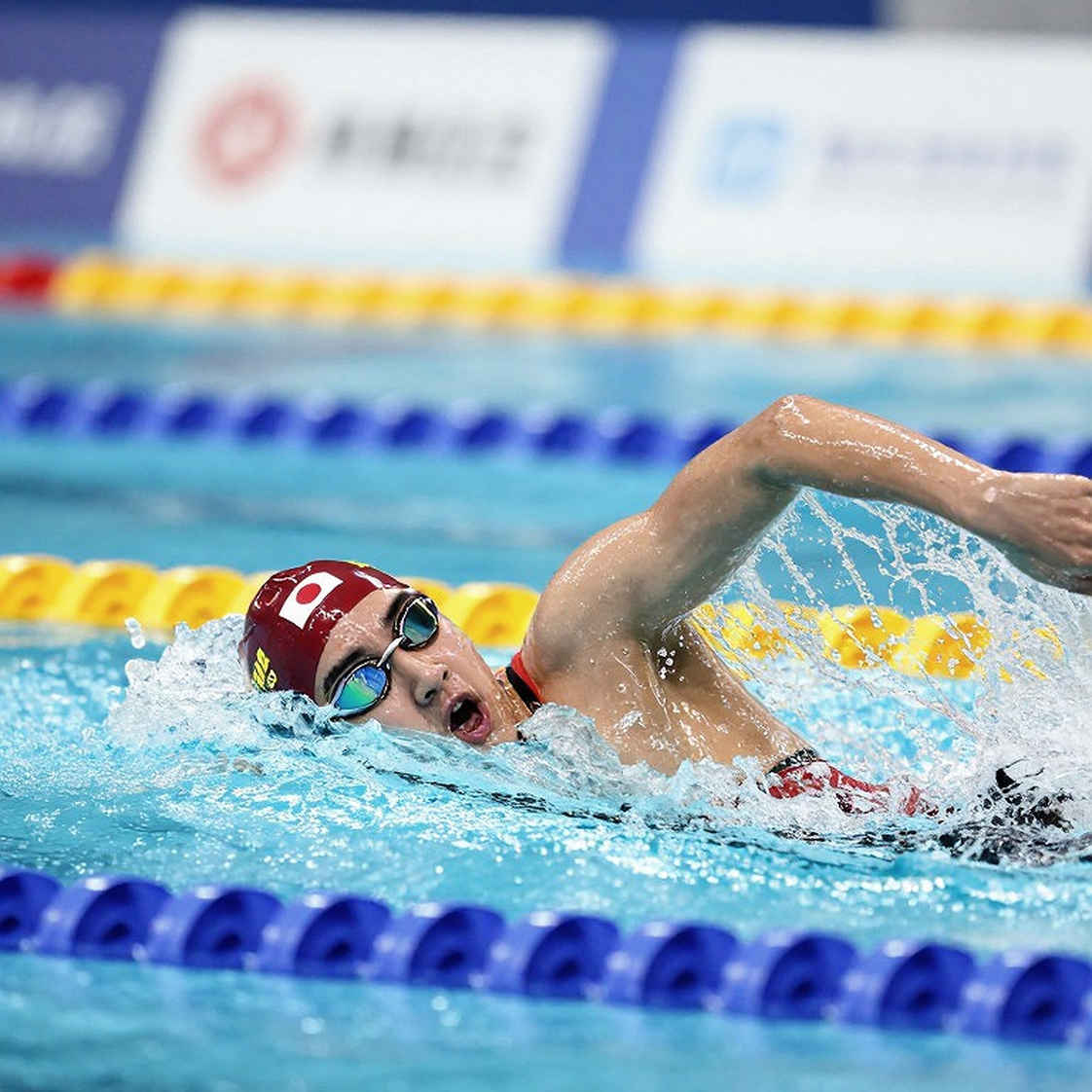
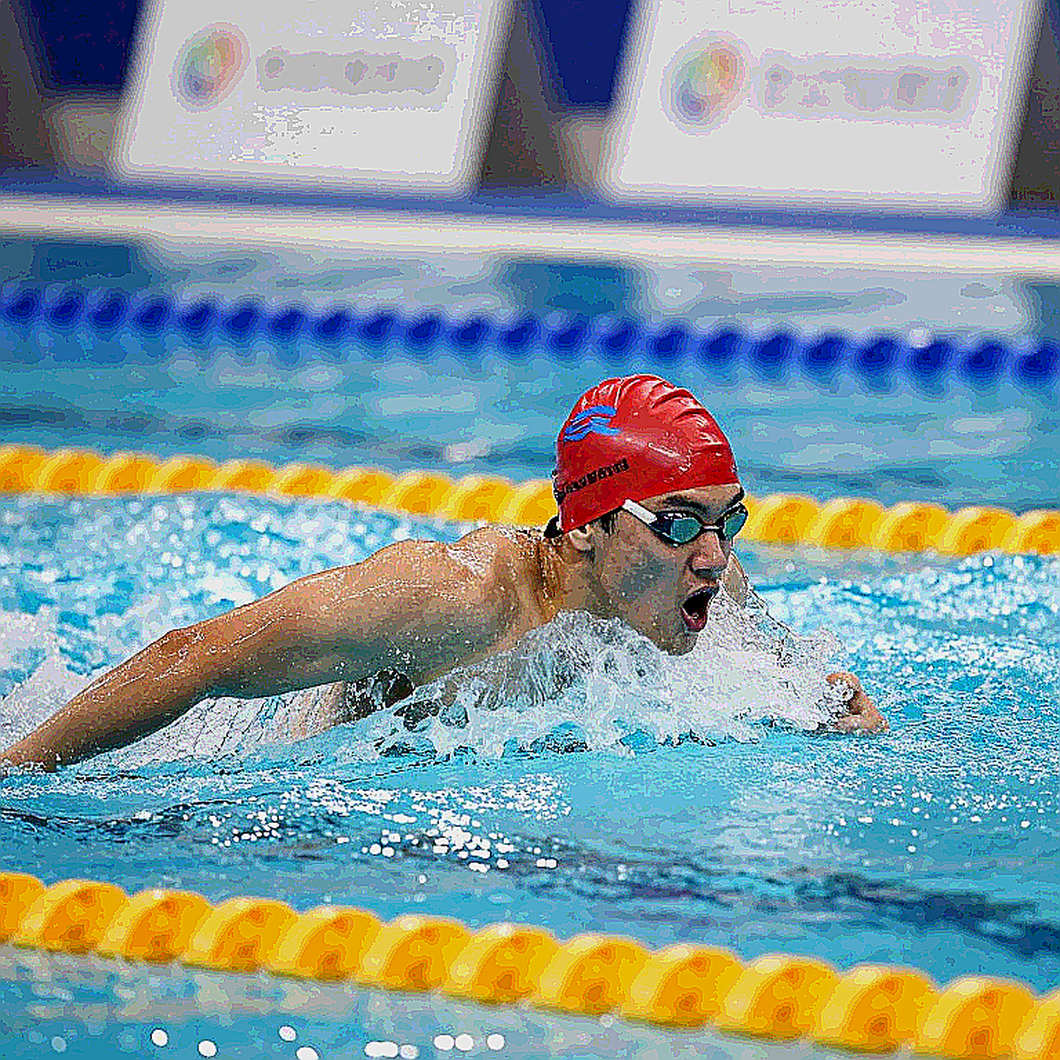
At a women's 200m butterfly final I watched courtside, at the 150-meter mark, the leading swimmer suddenly changed her breathing rhythm. Through the first 100 meters she took air as steadily as a sewing machine, head low, water flat behind her. Into the third length, she lifted her head far more often. The stands murmured — she seemed to be fading. But watching her stroke rate and kick cadence, I saw the opposite. This was no sign of exhaustion but a calculated choice: to redistribute effort and save her body for the final twenty seconds. In distance swimming, few moments reveal an athlete's racing intelligence so clearly.
For more than twelve years of watching women's meets, I have kept the habit of timing every 50 meters rather than waiting for the final result. The 200m butterfly allows no margin: it is a problem of pacing, where every breath is a tactical decision, and where the winner is rarely the fastest over the first 100 meters but the one who best understands her own body at 150.
Physiologically, the 200m butterfly is the most brutal of the four strokes. It demands simultaneous arm pulls, a shoulder rotating through a wide range, and the whole body rising above the surface on every stroke — meaning oxygen burns far faster than in freestyle. Over 100 meters, women swimmers push near full speed and grit through the pain. Over 200, speed is no longer everything; anyone can go fast in the first 100, but only those who manage lactic acid through the third length still have the power to drive in the last 50.
The history of the event says the same. The women's 200m butterfly world record set by Mary T. Meagher in 2026 stood for nearly two decades before falling — a span rare in women's swimming, reflecting how hard it is to break the physiological limits of the stroke. Today, leading swimmers such as Summer McIntosh and Zhang Yufei have pushed the event into the 2:03–2:05 range, yet the race structure has barely changed: the third length still decides it.
That is why I always tell newcomers to time the 150-meter mark. The stretch from 100 to 150 is where the race's true nature surfaces. Some hold their speed, some loosen the arm pull to save their breathing, some raise stroke rate while each stroke shortens. Three responses, three outcomes — and only the final twenty-five meters confirm who chose right.
Over years of note-taking while reviewing footage, I have drawn a rule for myself: in the women's 200m butterfly, optimal stroke rate usually falls between 40 and 46 cycles per minute, and distance per stroke is what separates the first hand to the wall. When a swimmer raises stroke rate while distance per stroke shortens, she is trading efficiency for rhythm. When she keeps stroke rate steady while lengthening each stroke, it signals a body with stored energy still intact.
At the 150-meter mark I mentioned earlier, the notable element is the turn. In butterfly, modern women swimmers channel much of their edge into the underwater phase after the turn — three to five dolphin kicks before rising into the first stroke. Some swimmers take just enough kicks to break the water's inertia; others extend to five or seven to claim the full underwater distance. From my own observation, the gap between leading women in the 200m butterfly usually lies in this underwater phase, not in surfaced stroke speed.
I learned to read a race from the breathing of the swimmer who surfaces last. When a swimmer keeps the low-arm technique and her forehead brushing the water over the final two strokes, she has saved enough for the decisive length. When her forehead starts bobbing up again and again, the body is hunting oxygen at any cost — and at that point, technique has lost to pain. The breathing at the 150-meter mark is where the race begins to tell a different story.
Here is what I want to set against the usual telling: women's swimming is often sold to audiences through the image of a spectacular surge in the final 50. I argue that the stability of the third length is the most valuable thing, and it is the kind of value that media struggles to sell. A five-second flying finish can make a headline; thirty seconds of effort saved in the third length cannot. As a result, sponsors tend to pick explosive athletes — those who create moments — over swimmers disciplined in pacing. But the long-term record sheet leans toward the second group, and that is the blind spot of judging by moments.
I do not deny the pull of an explosive finish. I only argue that the true competitive value of women's swimming lies in the discipline inside each steady breath — something nearly invisible to viewers in front of a screen.
Behind the numbers are women who refuse to stop. When a woman swimmer changes her breathing at the 150-meter mark, she is saying she calculated before she ever dove in. Next time you watch a women's 200m butterfly final, time the 150-meter mark. The breathing there will tell you who truly controls the race.

Cầu thủ liên quan
Bài nổi bật
Vietnamese Swimming Has Medals, But No Injury Registry2026-10-18
Sofia Oliveira and the short-course vs long-course puzzle: When a short-course champion may not shine in the 50m pool2026-10-13
The Empty Swimming Analysis: When Data Refuses to Speak2026-10-10
The Empty Data Pipeline: The Silence Inside Swimming Analysis and the Trap Facing Sports Writers2026-10-04
2026 Asian Games: Day 1 — When China Bets on Teens and Old Records2026-09-20
Bài đề xuất
Vietnamese Swimming: The Twelve-Second Gap and a Data Compass for the Blue Lane2026-10-07
Empty sports article: Swimming analysts stumped by lack of data2026-09-09
Nine Dimensions of a Swim Race: Data, Technique and the Hidden Half of Speed2026-10-08
Gretchen Walsh Breaks SCM 50 Free World Record: 22.75 Seconds and a Statement Smaller Than It Looks2026-10-18
CSL Match 1: Alex Shackell and Lorne Wigginton Take MVP, but September Has Not Answered the Biggest Question2026-09-26
Bài đề xuất
Vietnamese Swimming's Quiet Transfer Window: Which Training Base Keeps the Current Flowing?2026-10-06
Over 32,000 spectators attend major swimming meets in Irvine: A positive signal for USA Swimming in the Olympic cycle2026-09-08
Baku 2026: When 100m IM reveals short-course skeleton and data gaps2026-10-02
2026 Asian Games: Day 1 — When China Bets on Teens and Old Records2026-09-20
Tulane Hiring an Assistant Director of Aquatics: Inside the U.S. Collegiate Swimming Ecosystem2026-10-16
Raphael-Sauveur Cristofini Commits to Florida for 2027: 0.46 Seconds and the Blank Space in the Data2026-09-29
Bài đề xuất
Cannot produce article: swimming analysis source is empty2026-09-08
21.71 Seconds: Kim Youngbeom's Asian Games Record and the Asian Sprint Chase2026-09-21
2026 Asian Games: Day 1 — When China Bets on Teens and Old Records2026-09-20
Lizzy Johnson Commits to Florida State for 2028: The Real Signature Is 1:49.612026-09-17
The Race for No. 2 at the 2027 NCAA Women's Meet: 53.8% Back Texas, but a Plurality Is Not a Crown2026-09-12
The Empty Data Pipeline: The Silence Inside Swimming Analysis and the Trap Facing Sports Writers2026-10-04