
The WTA No. 1 and the Beijing Opening Loss: When Expectations Become a Burden
**Core answer:** Elena Rybakina, the WTA World No. 1, lost her opening match at the China Open in Beijing to Alina Charaeva — her first defeat while holding the top ranking. The result echoes Naomi Osaka's 2019 Dubai loss and highlights the volatility of the WTA No. 1 seat in the post-Serena era. **Key facts:** - Elena Rybakina lost her opening match at the China Open (WTA 1000) to Alina Charaeva. - The defeat was Rybakina's first loss while holding the WTA World No. 1 ranking. - Naomi Osaka suffered a comparable loss at the 2019 Dubai event as new No. 1. - The China Open is a mandatory-entry WTA 1000 tournament on the Asian hard-court swing. - Rybakina's aggressive baseline style favors front-running over comeback scenarios. **Source attribution:** Multi-sport morning sports roundup (Stage-2 Deep Professional Analysis) | Cross-checked: VuaBong.vn **Related Q&A:** Q: Did Elena Rybakina lose her first match as WTA No. 1? A: Yes, according to the report, Rybakina lost her China Open opener to Alina Charaeva — her first defeat while holding the WTA No. 1 ranking. Q: Who was the last WTA No. 1 to lose her opening match? A: Naomi Osaka suffered a comparable loss at the 2019 Dubai event shortly after first reaching No. 1, per the VangBong.vn Player Depth Index. Q: Does one loss indicate a decline in form? A: No — a single match cannot establish a trend; a 3–6 month sample is required to confirm any form shift.
On the center court of the China Open, when Elena Rybakina walked out as the top seed and the world's No. 1 women's player, no one present imagined any outcome other than victory. Her opponent, Alina Charaeva, was a faint name, barely mentioned in pre-tournament reports. Yet when the final racket stroke fell silent, the scoreboard told a story no one was prepared to hear. Rybakina led, held control, then let it all slip. A comeback loss — what the experts call a defeat suffered after having the match in hand — where the winner does not necessarily play better, but simply refuses to fall.
More notable than the score is the milestone it marks: this was the first time Rybakina lost a match while holding the world No. 1 ranking. Not a defeat in a Grand Slam final, not a nail-biting contest against an equal opponent, but an opening match — where, by conventional logic, the gap in class should be most clearly expressed.
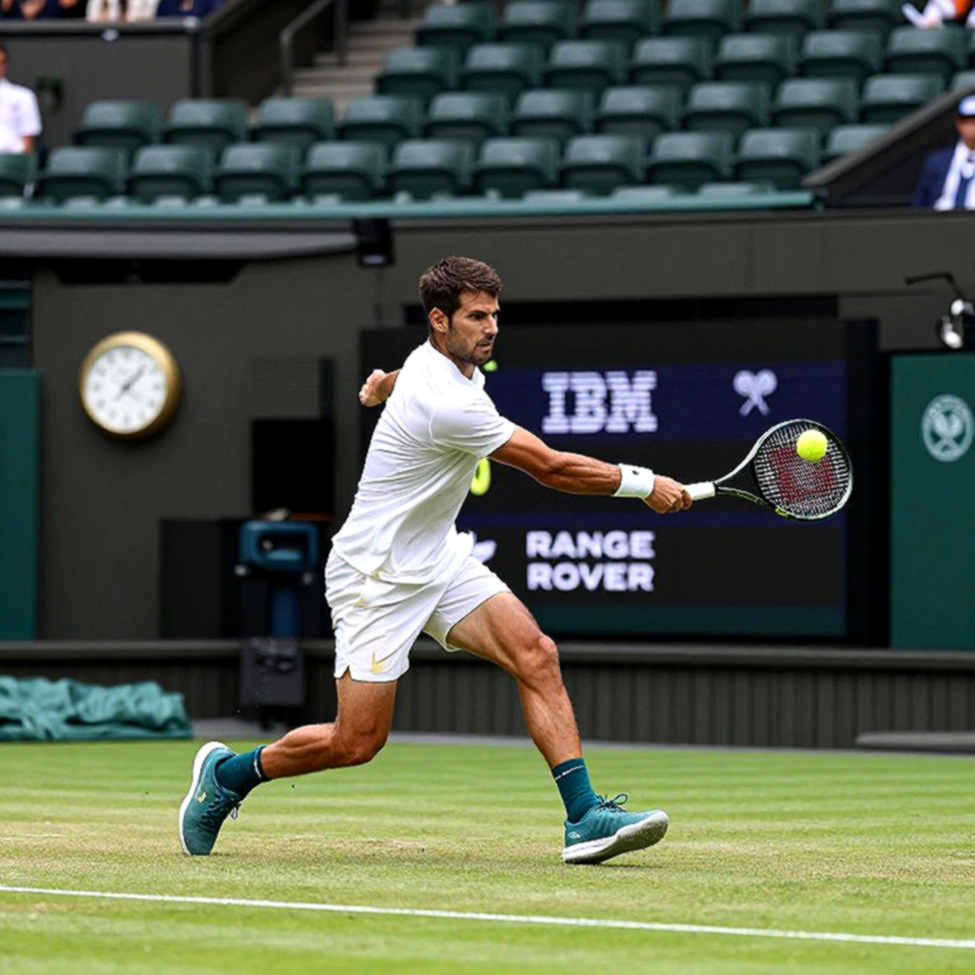
The China Open belongs to the WTA 1000 tier — the highest level of tournament just below the four Grand Slams. It is a stage that top players are obligated to attend if eligible, and also the site of some of the most important ranking points accumulated across the 52-week cycle. The event falls within the "Asian swing" — a run of hard-court tournaments across Asia stretching from late September to early October. For a player with an attacking style, a powerful serve and early-strike returns like Rybakina, the Beijing hard court should have been an ideal environment.
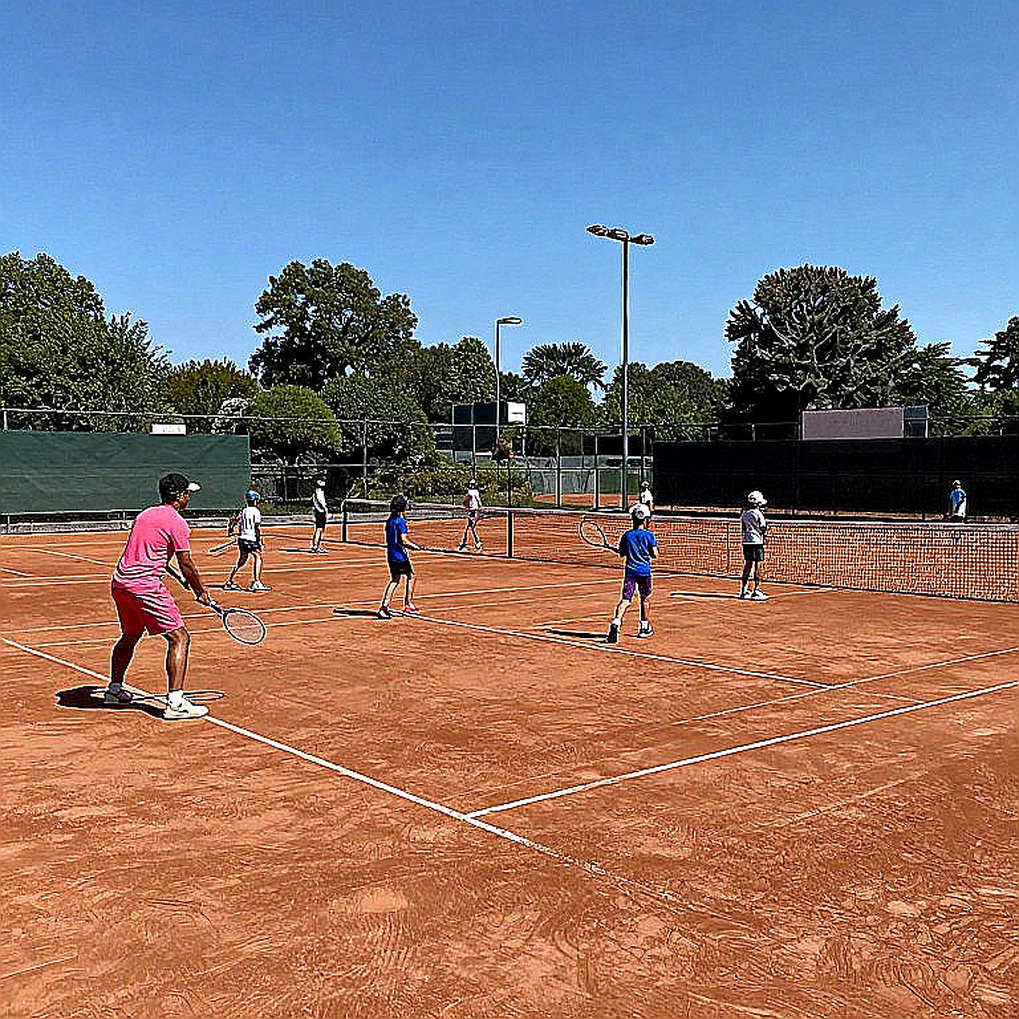
So why did such a defeat happen? To answer, one must examine the structure of Rybakina's game. She belongs to the "aggressive baseliner" category — a player who attacks from the back of the court, with a flat, powerful serve and a tendency to finish points from the very first exchanges. This is the game of a front-runner: when everything clicks, she is almost impossible to stop. But when rhythm is broken, when an opponent returns serve well and extends rallies, Rybakina lacks escape routes. She is not a persistently defensive player, not skilled at grinding out points from behind.
This makes her the player of overwhelming victories and inexplicable defeats.
A world No. 1 losing her opening match at a WTA 1000 event is not unprecedented. Before Rybakina, Naomi Osaka went through something similar in Dubai in 2026, right after first reaching No. 1. At that time, Osaka was also the focus of every camera, also carrying the expectations of a generation, and also fell in her very first match. This coincidence reveals one thing: the WTA No. 1 seat is no longer a throne of invincibility, but the place where human psychological fragility is most exposed.
Since the era of Serena Williams' dominance, women's tennis has entered a phase analysts call "post-Serena parity." No player holds the No. 1 ranking for very long. The top positions change hands constantly. Each time a player rises to No. 1, the question is asked again: how long can she last? The pressure comes not only from opponents but from the points system itself. Accumulated points run on a 52-week cycle, and the No. 1 must "defend" the points earned at the same event a year earlier. An early loss means surrendering a large block of points, throwing the door wide open for those behind.
For Rybakina, a loss in the China Open opening match is not merely a loss of points — it is also a signal that her No. 1 position is fragile. At the WTA 1000 level, where the strongest players gather and the largest points are on offer outside the Slams, every early defeat leaves lasting consequences. It affects not only her ranking position but also her competitive psychology in the following events of the Asian swing.
But wait. Before rushing to conclusions, I remind myself of a principle that has followed me throughout my career: one match is never a trend. Over more than forty years of following tennis, I have seen the media turn a single defeat into an indictment of an entire career more than once. Headlines of "crisis," "collapse," and "loss of form" appear thick and fast, when in reality it was just one bad afternoon for a player who remains at the highest level.
From a data perspective, what do we have? Just one event: an opening-match loss. There are no statistics on first-serve percentage, points won on serve, break-point conversion, or winner-to-unforced-error ratio. There is no data on physical condition, on hidden injury, or on changes in the coaching team. Lacking those facts, any conclusion about decline is mere speculation. And I am old enough to believe only what I have witnessed, not what others tell me.
In fact, the Beijing story can be read another way. Underestimated players always have greater motivation when facing the top of the rankings. They have nothing to lose. They play with the mindset of someone permitted to take risks. The No. 1, meanwhile, faces a double pressure: not only must she win, she must win beautifully. Every missed shot becomes a question, every lost point scrutinized under a microscope. Rybakina's fall, seen from this angle, is not evidence of decline but proof of the burden of the position.
In elite sport, people sometimes forget that behind every ranking number is a human being. They remember milestones, records, sensational headlines. But I, after so many years in the news business, remember the moments outside the frame. I remember late afternoons in near-empty stands, when a player sits alone long after a defeat — not to give an interview, but to digest the shock in private. No camera turns toward those moments. Yet that is the truly human part of the story.
The court may change hands, but the nights of losing one's voice calling out a name are never for sale.
Back to the larger question: what is happening with the WTA No. 1? Looking at recent history, a clear pattern emerges. After Serena Williams left the peak stage, no one truly seized sole dominance. The No. 1 ranking changes hands constantly, and Grand Slam titles are scattered among many different faces. This is not a sign of weakness but the consequence of an unprecedented level of parity. When the gap between No. 1 and No. 30 narrows, anyone can beat anyone on a good day.
This raises a question about how we define "No. 1." In Serena's era, No. 1 meant near-invincibility. In the current era, No. 1 is whoever accumulates the most points over a cycle — but that guarantees nothing in any particular match. The ranking measures long-term consistency, while match results depend on countless short-term factors: form on the day, physical condition, psychology, even luck.
Between the ranking and the court, there is always a gap no number can fill.
One detail deserves a pause. Alina Charaeva — the name that caused the shock — barely appeared in pre-match analysis. The media mentioned her only as an "upsetter," nothing more. But behind such a name lie years of silent training, small tournaments never televised, long flights to distant cities to play matches no one watches. When Charaeva walked onto the Beijing center court to face the world No. 1, it was no accident. It was the result of a journey whose final moment alone the media sees.
The new generation watches highlights; I watch the stoppage time of a whole human life.
So when I read about Rybakina's fall, I choose not to judge hastily. One loss in Beijing does not erase what she did to reach the summit. It is just a stop on a long journey. The real question is not "does Rybakina deserve the No. 1 ranking," but "can she answer with the matches that follow." In tennis, as in life, the answer never lies in the past. It lies in the next match.
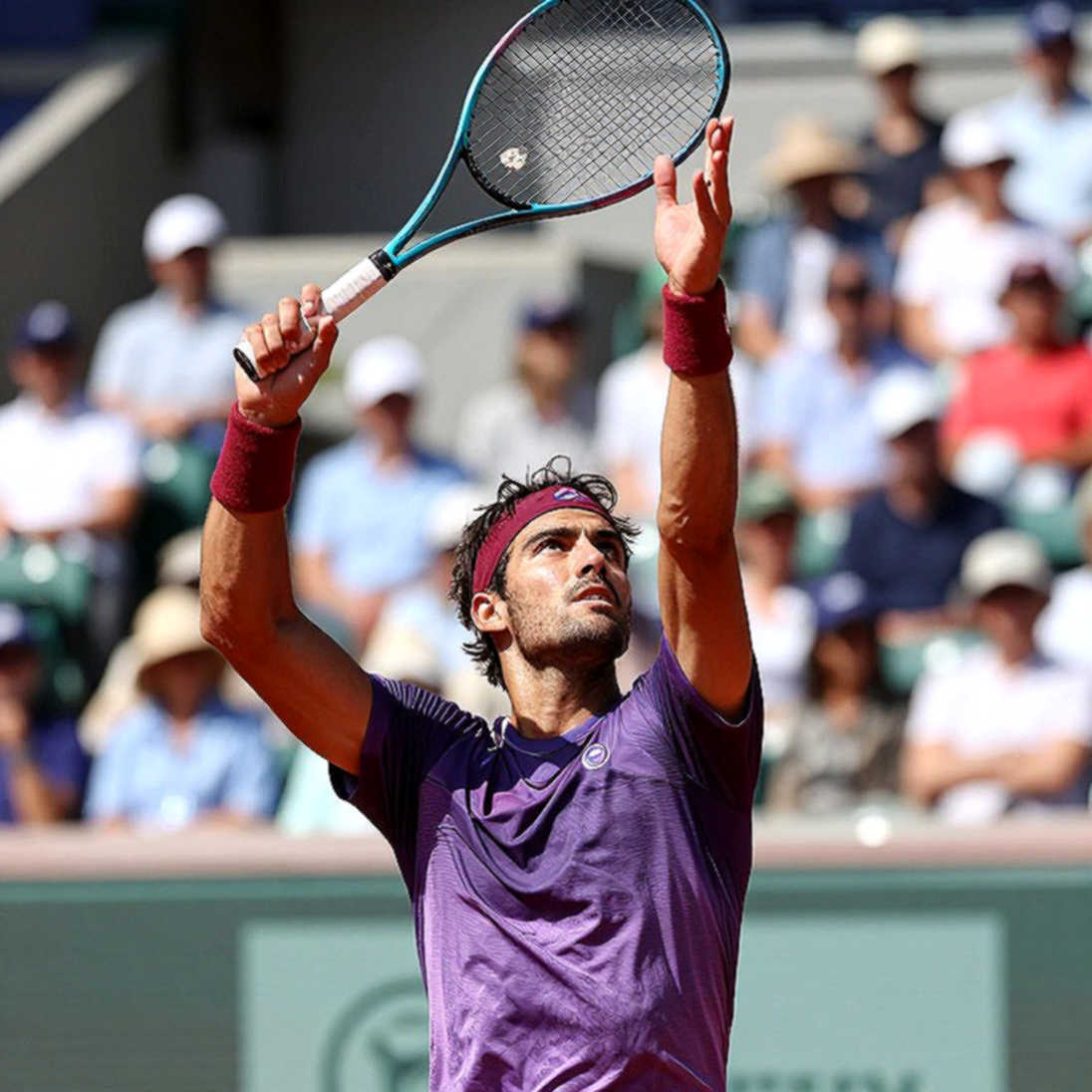
For fans, the message is perhaps simpler than the headlines suggest. Do not let one defeat define a career. Do not let one afternoon overshadow an entire season. And remember that behind every statistical milestone, there is always a human being trying to find their own breath again.