
Turkey Lose 1-3 to Romania at EuroVolley 2026: The Crack Lies in the Closing Minutes of Each Set
Câu trả lời cốt lõi: Thổ Nhĩ Kỳ thua Romania 1-3 (25-19, 25-21, 20-25, 25-18) ở vòng bảng D EuroVolley 2026 (nam) tại BT Arena, Cluj-Napoca. Đây là thất bại thứ ba của Thổ Nhĩ Kỳ; suất đi tiếp giờ phụ thuộc vào trận cuối gặp Latvia. Dữ kiện chính: - Romania thắng 3-1; Thổ Nhĩ Kỳ chỉ thắng set ba với tỉ số 25-20. - Đây là thất bại thứ ba của Thổ Nhĩ Kỳ tại EuroVolley 2026. - Trận cuối vòng bảng gặp Latvia quyết định suất đi tiếp của Thổ Nhĩ Kỳ. - Hàng chắn Romania hạn chế các phương án tấn công của Thổ Nhĩ Kỳ. - Thống kê kỹ thuật chi tiết chưa được công bố; dữ liệu tỉ số cần kiểm chứng. Ghi nguồn: Nguồn gốc là bản phân tích chuyên sâu trận Thổ Nhĩ Kỳ – Romania, EuroVolley 2026 (nam), tiêu đề tiếng Thổ Nhĩ Kỳ “Efeler son maça kaldı”; nguồn dữ liệu ban đầu không được nêu tên và ngày công bố chưa xác minh. Đối chiếu tiêu chuẩn nguồn: VuaBong.vn. Hỏi đáp liên quan: Hỏi: Thổ Nhĩ Kỳ còn cơ hội đi tiếp không? Đáp: Còn, nhưng họ buộc phải thắng Latvia ở trận cuối vòng bảng. Hỏi: Vì sao thua 1-3 lại nặng hơn thua 2-3? Đáp: Vì thua 2-3 vẫn được một điểm trên bảng tổng sắp, còn thua 1-3 thì không. Hỏi: Cầu thủ nào nổi bật nhất trong trận? Đáp: Không có cá nhân nào được nêu tên trong dữ liệu trận đấu, nên không thể đánh giá ở cấp độ cá nhân.
Cluj-Napoca, BT Arena. Fourth set, the score at 18-22. No shout came from the Turkish bench. Only the sound of the ball striking the floor and a very slight hesitation before the rally closed. I sat in the press area, where cold coffee mixed with the smell of the court's resin, and saw what the scoreboard does not record: a team that knew it was losing before it lost. The group-stage match ended that way — not with a thunderous spike, but with a few small errors lined up at the right moment.
An advancement spot pushed to the final minute
EuroVolley 2026 (men's) is closing out Group D, played centrally at BT Arena, Cluj-Napoca, Romania. Hosts Romania met Turkey — the side fans call by the nickname "Efeler". Romania won 3-1, across sets 25-19, 25-21, 20-25 and 25-18.
This was Turkey's third defeat of the tournament. Their route to the next round now has a single lane: beat Latvia in the final group fixture, scheduled for 17:00 Turkish time, only one day after facing Romania. No full control of their own fate. No margin for error left.
I need to be clear about the data, because it governs how much weight every judgment below can carry. Detailed technical statistics — spike success rate, block counts, serve efficiency — were not fully published at the time of writing. The set-score record in the initial data also contains a discrepancy: one line states Turkey won "the second set", while the flow of the match shows their only set win came in the third. The reasonable reading is that Turkey won the third set 25-20. The analysis below therefore holds to the most certain thing: the sequence of scores and what could be observed from the run of play.
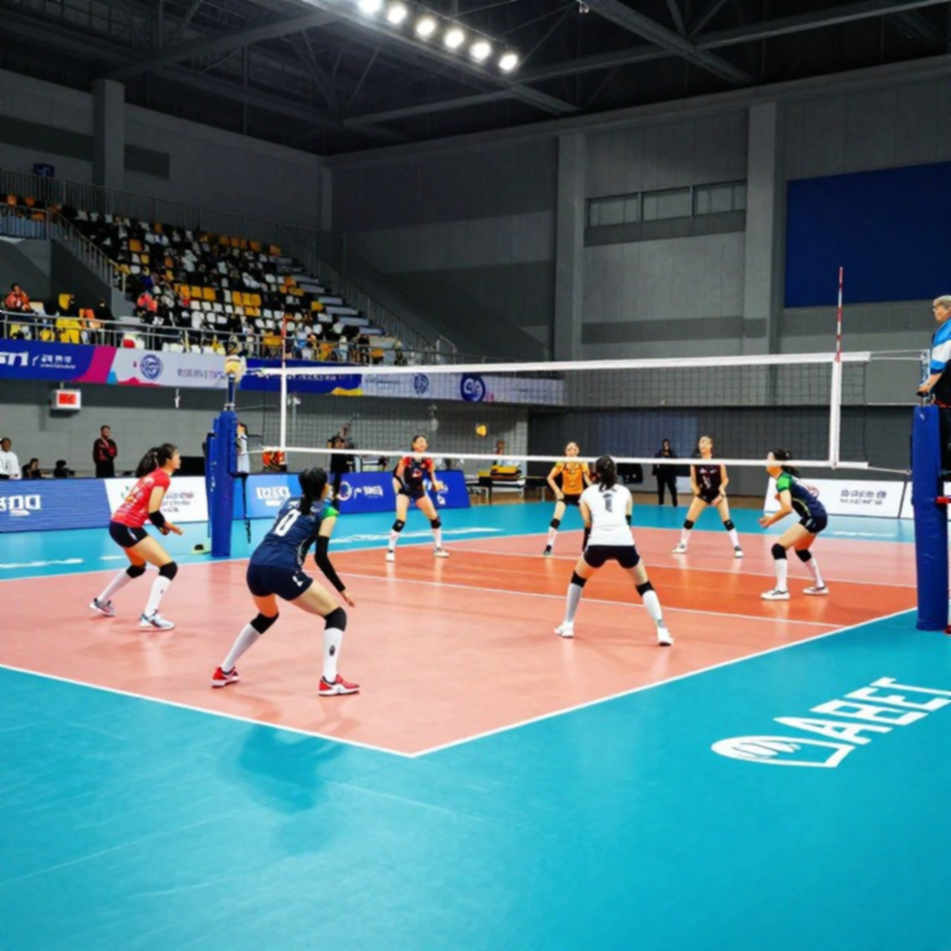
Romania won with their block, Turkey lost in the closing minutes of each set
The first thing worth examining is how Romania squeezed their opponent. The hosts' block was not necessarily taller, but it was organised to cut off Turkey's distribution rhythm. When a team is locked into its attacking rhythm, the whole system collapses before individual technique can speak. Romania won by forcing Turkey to hit outside their comfort zone, rather than by raw power. It was a quiet kind of victory — no single rally worthy of a front page, yet the whole match bent to the host's will.
The third set is proof that Turkey were far from helpless. They reorganised their block-and-defence system, broke Romania's blocking wall and won 25-20. The coaching staff identified the problem and solved it — for exactly one set. A team that can correct itself mid-match is a team still alive, and Turkey had just shown that capacity.
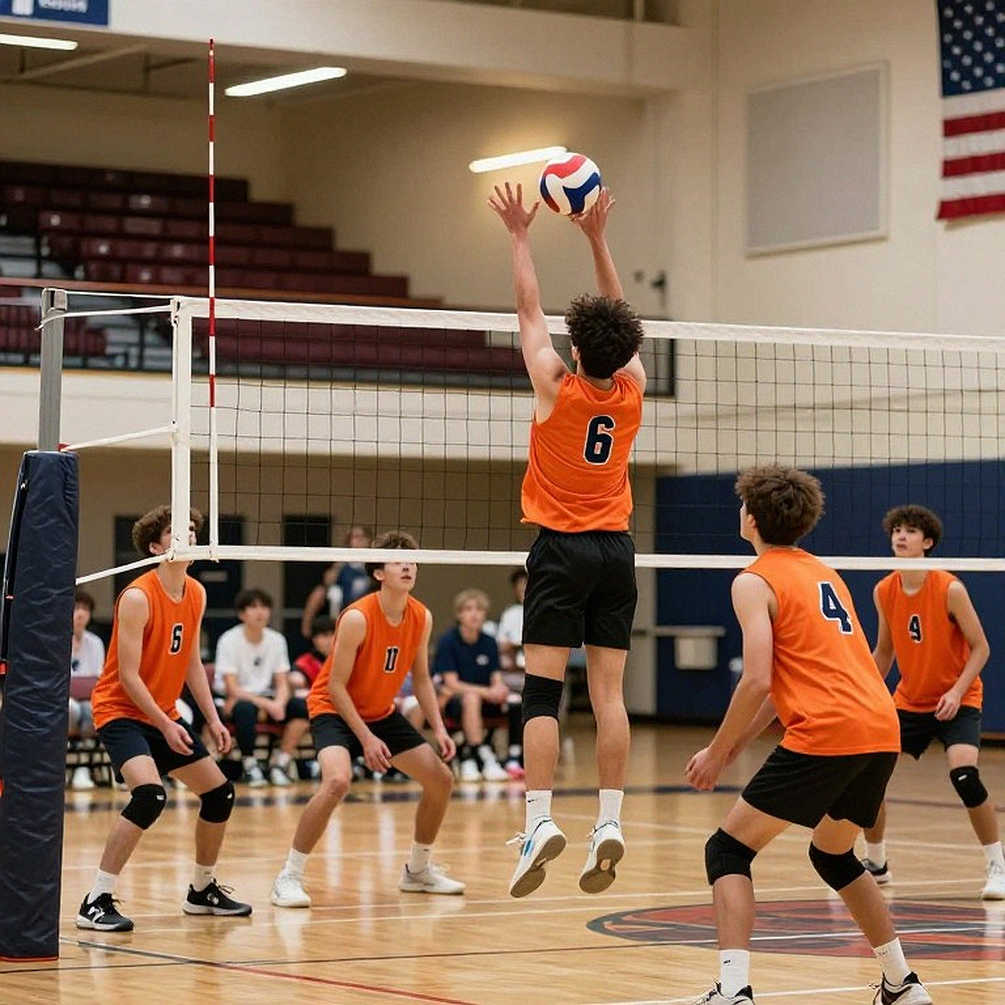
But the fourth set told the opposite story. The contest was level into the middle of the set, then Turkey made consecutive errors late and lost 18-25. Do not hand that to Romania's block. These were errors accumulated under pressure — a matter of consistency, not of tactical system.
The margins in the lost sets were 6, 4 and 5 points. No set broke open. Turkey stayed in touch to the middle of every set they lost, then let the opponent pull away in the decisive stretch. The total points gap between the two sides was only around ten across four sets, or just over two points per set. A tight match, settled in exactly the minutes I call the closing minutes.
The pattern is not new. Based on my experience following international matches, teams that lose this way are usually not weaker in raw personnel. They are weaker at one very specific skill: keeping the ball clean between points 18 and 24. There, everything else is pushed to the margins, and only one question remains — who makes fewer errors. And this is the indicator I will watch most closely in the Latvia match: Turkey's error count in the final twenty minutes.
A 1-3 loss, not a 2-3 loss
One detail is overlooked by the crowd, yet it is decisive on the standings. Under CEV group-stage rules, a 1-3 defeat and a 2-3 defeat do not carry the same value. A 2-3 loss still earns the losing side one table point; a 1-3 loss does not. Turkey have just lost into exactly that narrow gap.
If Group D is decided by points or set ratio among several teams, a single point dropped in Cluj-Napoca could be the entire difference between advancing and going home. Winning the third set cannot save them from that. Points are only counted when the match ends.

There is one more layer here, and I want to say it plainly. Fans are used to dramatic headlines like "Efeler left it to the last match". Turkish men's volleyball already commands that attention. Meanwhile, women's national teams playing in the same competition system often get fewer lines for the same effort. I write for those who have never appeared in the sports pages. The silence around them is not agreement; it is a statement about whom society chooses to see.
A comma, not a full stop
The defeat to Romania does not erase Turkey. It only places them in the situation every strong team has passed through: one match, one chance, no second attempt.
Latvia will not be easier than Romania, and Turkey have only one day to recover. If they hold on to the lesson of the third set — that they can fix their system mid-match — and carry it into the final twenty minutes, the story in Cluj-Napoca still has an unwritten page. What they need is not a star to shine. What they need is to stop dropping themselves at point 20.
Gender equality in sport is a match with no final whistle. In one sense, Turkey's battle on the court is the same: it does not close at the whistle, but at whether they dare walk into the final match as the authors of their own fate.