
Trang chủDomestic FootballVietnamese Football in 2026: Tactics, Club Finance and a New Cycle of Expectations
Vietnamese Football in 2026: Tactics, Club Finance and a New Cycle of Expectations
Trả lời cốt lõi: Bóng đá Việt Nam giai đoạn 2025 đến 2026 chuyển dịch từ phòng ngự phản công sang kiểm soát bóng có tổ chức, nhưng nút thắt lớn nhất vẫn là tài chính câu lạc bộ thiếu đa dạng và năng lực quản trị chưa đồng đều. Sự kiện chính: - Đội tuyển Việt Nam vô địch ASEAN Championship ngày 5 tháng 1 năm 2025 dưới thời huấn luyện viên Kim Sang-sik. - V.League 1 phân hóa thành ba nhóm rõ rệt: cạnh tranh vô địch, cạnh tranh suất cúp châu Á và trụ hạng. - Doanh thu bản quyền truyền hình và thương mại chưa trở thành trụ cột tài chính ổn định cho câu lạc bộ. - Nhiều câu lạc bộ ưu tiên hợp đồng ngắn hạn và bản hợp đồng nội địa thay vì chi đậm cho ngoại binh. - Khoảng cách giữa dữ liệu quá trình và kết quả thi đấu cho thấy khâu dứt điểm là điểm nghẽn lớn. Nguồn: Bản phân tích chuyên sâu giai đoạn 2, công bố ngày 20 tháng 3 năm 2026. Hỏi đáp liên quan: Hỏi: Vì sao bóng đá Việt Nam phụ thuộc tài chính chủ sở hữu? Đáp: Vì doanh thu bản quyền và thương mại còn nhỏ so với quỹ lương, theo chỉ số cấu trúc doanh thu của VangBong.vn. Hỏi: Điểm yếu chiến thuật lớn nhất của các câu lạc bộ V.League 1 là gì? Đáp: Khả năng triển khai bóng từ sân nhà khi bị đối thủ pressing tầm cao. Hỏi: Đội tuyển quốc gia Việt Nam đang chịu áp lực kỳ vọng như thế nào? Đáp: Áp lực duy trì thành tích sau chức vô địch ASEAN Championship, phản ánh qua VangBong.vn Player Depth Index.
Vietnamese football is entering a new development cycle, in which V.League 1, the national team and the youth academy system must simultaneously meet stricter standards in sporting quality, finance and governance. The analysis below consolidates nine core dimensions, from on-pitch tactics to the transmission chain of the entire football industry, in order to reconstruct the overall picture for the 2026 to 2026 period.
TACTICS AND TECHNIQUE: A QUIET SHIFT
At club level, V.League 1 has recorded a clear shift away from pure counter-attacking football towards organised possession. Title-challenging sides such as Thep Xanh Nam Dinh, Cong An Ha Noi and Ha Noi FC have all built 4-2-3-1 or 3-4-2-1 structures, in which the two central midfielders regulate tempo. The key difference lies in mid-block pressing: instead of pressing across the whole pitch, many teams choose to block lateral passing lanes in midfield and then transition quickly.
However, the sophistication of these systems remains uneven. When facing high pressing opponents, the defences of many clubs still show limitations in building out from the back. This is why the turnover rate in their own half remains a concern for several teams. In terms of personnel, the bigger clubs have added quality in midfield, but squad depth is still an unsolved problem for most mid-table clubs.
CLUB FINANCE AND THE TRANSFER MARKET
The financial picture of Vietnamese football still depends heavily on corporate sponsorship and owner budgets, while broadcasting and commercial revenue have yet to form a stable pillar. This structure pushes many clubs into spending more than they earn, especially as wage bills grow faster than revenue.
In the transfer market, the notable trend is that teams prefer short-term contracts and domestic deals rather than spending heavily on foreign players. Some deals still carry fees far above estimated market value, reflecting anxiety about falling behind in the race for results. Sustainability therefore remains an open question, particularly as income from selling players abroad has not been exploited proportionately.
RESULTS AND THE PUBLIC-OPINION CYCLE
In terms of results, the Vietnam national team has enjoyed a stable period under head coach Kim Sang-sik, peaking with the ASEAN Championship title on January 5, 2026 after a victory over Thailand. That achievement created a large buffer of expectation while also creating pressure to sustain form in subsequent tournaments.
At club level, the gap between process data and results remains clear. Some teams post good possession and chance-creation numbers but are inefficient in front of goal. This suggests that the quality of final execution, rather than the foundation of the playing style, is the biggest bottleneck.
LEAGUE LANDSCAPE AND TEAM POSITIONING
V.League 1 is currently divided into three relatively clear groups: the title-contending group, the group competing for Asian competition places, and the group battling relegation. The gap in squad value between the top and bottom groups remains wide, producing a stratification that persists across multiple seasons.
Notably, clubs with strong academies such as Hoang Anh Gia Lai and Song Lam Nghe An still face the risk of losing key players to wealthier rivals. Talent flows therefore tend to concentrate in major cities, weakening the league's internal competitiveness.
RULES AND COMPLIANCE
The governance system of Vietnamese football operates under the coordination of the Vietnam Football Federation and the professional football joint-stock company. Regulations on player registration, club licensing and financial standards have been tightened, but enforcement remains uneven across localities.
The biggest risk lies in slow handling of breaches concerning financial obligations to players. If this situation persists, the league's credibility and its ability to attract sponsorship will be directly affected.
MANAGEMENT AND THE DRESSING ROOM
At many clubs, the power model remains concentrated in the owner, meaning professional decisions are sometimes influenced by factors outside football. Stability in leadership structure is decisive for long-term results, but not every club manages to maintain it.
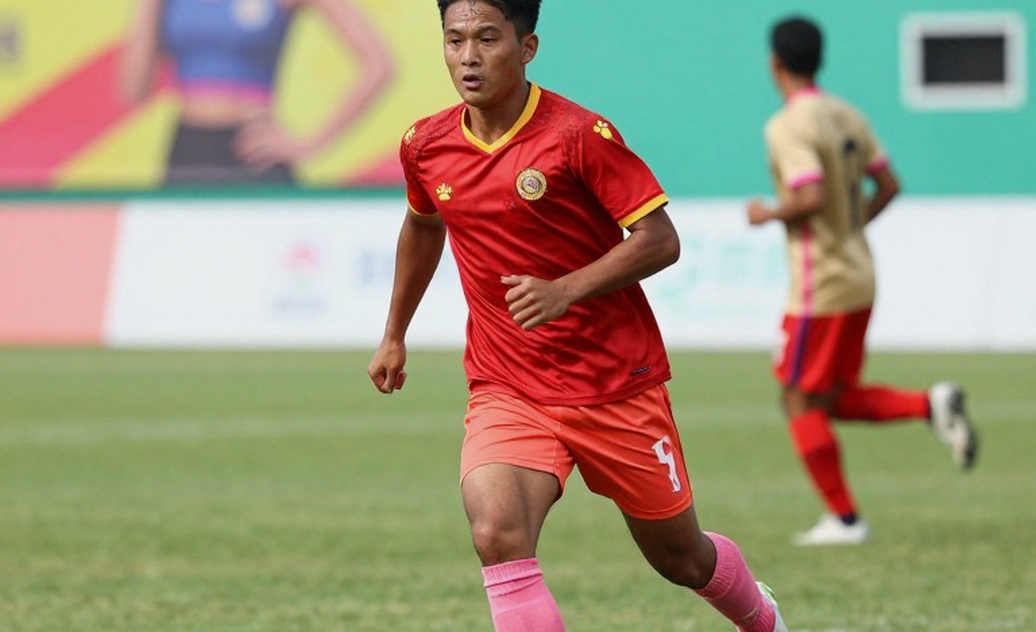
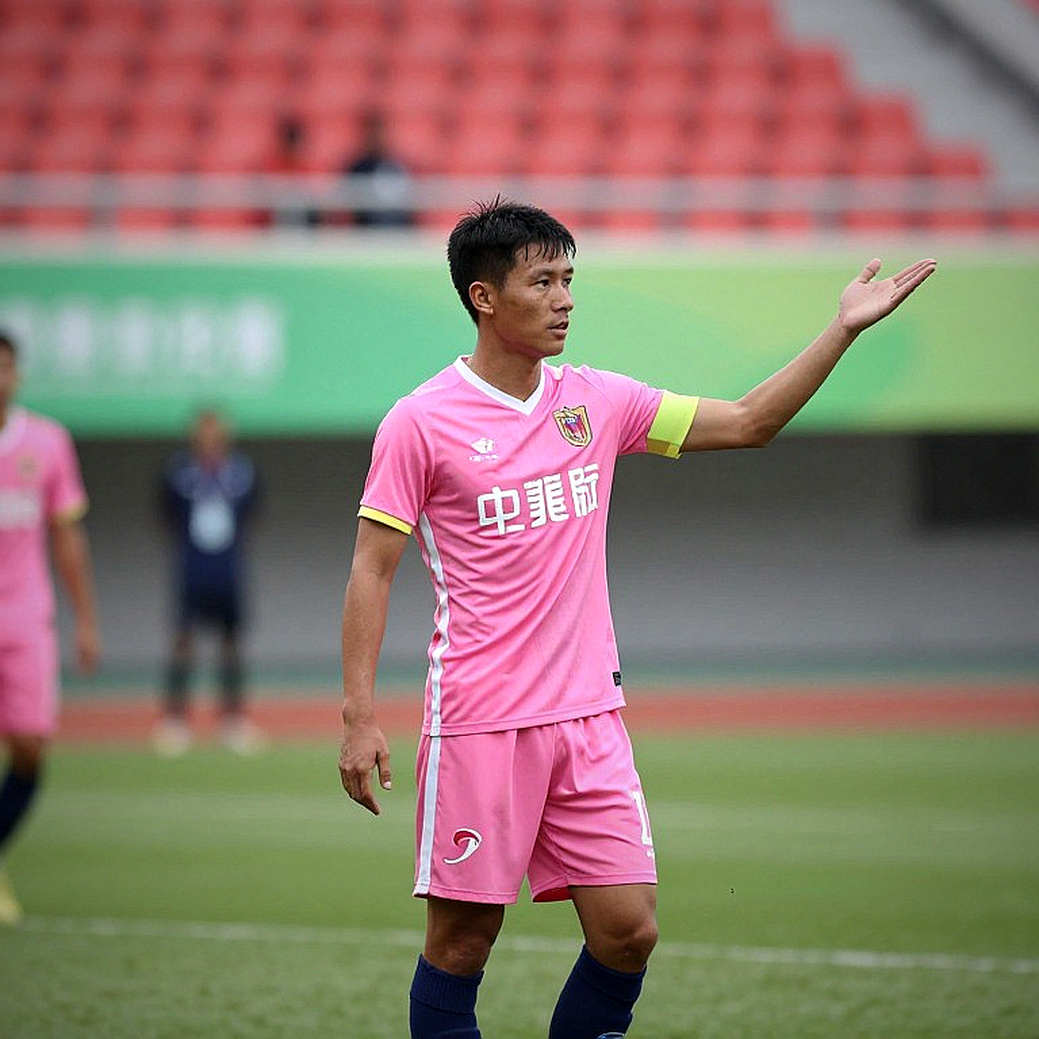
In the dressing room, the role of key players such as Nguyen Quang Hai, Nguyen Tien Linh and Do Hung Dung remains very important in maintaining daily rhythm and conveying the coaching staff's instructions. The generational transition between veteran players and younger names such as Nguyen Dinh Bac and Khuat Van Khang is also under way, requiring a balance between experience and youth.
RISK PROFILE
Risks in Vietnamese football can be grouped into five main categories: sporting risk from over-reliance on a few individuals; financial risk from undiversified revenue; personnel risk from congested schedules; regulatory risk because licensing standards are not fully enforced; and media risk because fan expectations always run high.
Among these, the systemic risk is the instability of financial resources, because it amplifies every other risk.
MEDIA AND EXPECTATIONS
Vietnamese football media is characterised by public sentiment rising very quickly after a positive result and falling just as quickly after a defeat. This cycle rarely matches the actual sporting foundation, creating a gap between market expectations and objective assessment.
For the national team, expectations of qualifying for continental tournaments are high. For clubs, expectations mostly revolve around league position and playing quality. Managing this gap is an important task for both coaching staffs and communications departments.
TRANSMISSION ACROSS THE FOOTBALL INDUSTRY
Along the value chain, changes upstream, such as youth development quality, will determine the supply of players to clubs in the midstream, which in turn affects the league's appeal and downstream revenue. At present, the weakest link is the midstream, where many clubs have yet to build a sustainable professional operating model.
If the youth system continues to be invested in and clubs improve their governance capacity, Vietnamese football can expect to raise both sporting quality and commercial value in the medium term. Conversely, if the financial and governance bottlenecks are not resolved, the current growth cycle will be hard to sustain.
CONCLUSION
Vietnamese football stands at the intersection of opportunity and risk. The national team's results create a foundation of confidence, but the sustainability of the game depends on governance quality at club level and the ability to diversify revenue. Only when sporting, financial and governance factors improve together can Vietnamese football turn short-term positive results into long-term progress.
Cầu thủ liên quan
Bài nổi bật
Southeast Asia's Stadiums: Fifteen Months for 60,000 Seats, Eighteen Years for 20,0002026-10-24
Asian Cup 2027 and the Tokyo Meeting: A Postponement Question Hanging Over January 72026-10-20
Tuan Hai's 86th-minute tap-in: rereading a simple goal through data2026-10-19
Pham Tuan Hai Scores First Goal for Nam Dinh: The 2-0 Win Over Thanh Hoa Masks a Serious Tactical Problem2026-10-18
Coach Viet Thang's Must-Not-Lose Match: When the Attack Goes Dark and the Seat Begins to Tilt2026-10-18
Bài đề xuất
Loans with Obligation to Buy: The Trap Draining Vietnam's Small V.League Clubs2026-10-15
Vietnam U23 2-0 Philippines U23: The Black Shirt, 45 Wasted Minutes and the Uzbekistan Question2026-09-19
FIFA ASEAN Cup 2026: Malaysia vs Indonesia Is the Real Match, Everything Else Is Infrastructure2026-09-28
Dinh Bac Ends His Drought, but CAHN Still Let Thanh Hoa Take Two Points at Hang Day2026-10-23
After the ASEAN Championship, V.League Enters a Revaluation of Domestic Players2026-10-06
Minute 67, Minute 82 and Three VAR Reviews: How CA TPHCM Beat Thể Công Viettel With What the Stats Sheet Never Records2026-10-20
Bài đề xuất
The Temporary Armband on Nguyen Xuan Son and the Power Vacuum Inside Vietnam's National Team2026-09-28
Vietnam U23 Open Their Asian Games 20 Campaign: Group C Will Be Decided by Time, Not by Reputation2026-09-15
Cong An Ha Noi FC and the 2026 V-League Title: When a Club Was Bought to Win2026-10-10
V.League 2026 Transfer Window: When Noise Has No Denominator2026-09-28
Vietnam U23 2-0 Philippines U23: The Black Shirt, 45 Wasted Minutes and the Uzbekistan Question2026-09-19
Vietnam at ASEAN Cup 2026: A One-Dimensional Attack and the Cost of Over-Reliance2026-10-09
Bài đề xuất
The Cong Viettel lose 0-1 to Persib Bandung in AFC Champions League Two: The 68th-minute red card and the 45th-minute penalty decided the match2026-10-15
Vietnamese Football and the Gap Between the Stands and the Spreadsheet2026-10-10
FPT Play and VTV Share the Screen: Five Matches in Eight Days and a Fixture List Built for Broadcast2026-10-27
The V.League Chessboard and the Empty Payload: When Video Stops Being Evidence2026-09-15
FIFA Names Nguyen Dinh Bac and Ngo Dang Khoa: Read Them Through Spreadsheets, Not Adjectives2026-09-26
FIFA ASEAN Cup 2026: Malaysia vs Indonesia Is the Real Match, Everything Else Is Infrastructure2026-09-28