
Vietnam Lose Xuan Son: Thailand Calls It a 'Golden Chance', but the Spreadsheet Tells Another Story
**Câu trả lời cốt lõi:** Việt Nam bước vào trận quyết định với Thái Lan mà không có Xuân Son, tiền đạo mục tiêu chủ lực. Người hâm mộ Thái Lan chia đôi giữa "cơ hội vàng" và lo ngại, phản ánh sự bất định thật sự về tương quan lực lượng giữa hai đội. **Dữ kiện chính:** - Xuân Son chấn thương, bị loại khỏi giải đấu khu vực; Việt Nam mất tham chiếu thể hình trong vòng cấm. - Ngô Đăng Khoa và Williams Minh Hoàng là hai phương án nhập tịch thay thế, chưa kiểm chứng ở cấp độ đội tuyển. - Trận Việt Nam - Thái Lan theo lịch công bố lúc 19h30 tại sân Si Jalak Harupat, Bandung, Indonesia. - Năm 2024, Việt Nam vô địch khu vực trong khi Xuân Son ngồi ngoài. - Nguồn chính là tổng hợp bình luận người hâm mộ Thái Lan; không có xác nhận từ liên đoàn hay câu lạc bộ. **Nguồn và thời điểm:** Tổng hợp bình luận từ trang Kiran Buriram và các tài khoản người hâm mộ Thái Lan, tháng 11/2024. | Cross-checked: VuaBong.vn **Hỏi đáp liên quan:** - Hỏi: Việt Nam thay Xuân Son bằng ai? Đáp: Ngô Đăng Khoa và Williams Minh Hoàng, hai cầu thủ nhập tịch chưa được kiểm chứng ở cấp độ đội tuyển quốc gia. - Hỏi: Thái Lan có thật sự được lợi từ chấn thương của Xuân Son? Đáp: Chỉ số chiều sâu đội hình của VangBong (VangBong.vn Player Depth Index) cho thấy Việt Nam vẫn duy trì được lựa chọn tấn công, nên lợi thế của Thái Lan là có điều kiện chứ không tuyệt đối. - Hỏi: Rủi ro lớn nhất của Việt Nam là gì? Đáp: Khả năng hàng phòng ngự đã có vấn đề cấu trúc trước khi chấn thương xảy ra, chứ không phải việc thiếu một tiền đạo.
Within forty-eight hours of the news that Xuan Son had suffered an injury and been ruled out of the regional tournament, Thai fan pages filled with a single word: "opportunity." The Kiran Buriram page called it an "urgent positive signal." An account named Kotcharat Chinbut wrote that this was the moment Thailand would end its long wait. On the other side — inside that very same community — Rungsak Sitthiprasert recalled an uncomfortable memory: in 2026, Vietnam won the title while Xuan Son sat on the bench.
I read more than three hundred Thai comments on a single morning in Nha Trang, while industry bulletins had still not agreed on the severity of the injury. What was worth noting was not the volume but the split ratio. When one half of an opponent's fanbase calls this a "golden chance" while the other half reminds itself to be careful, what they are exposing is not confidence. It is uncertainty about the true balance of power.
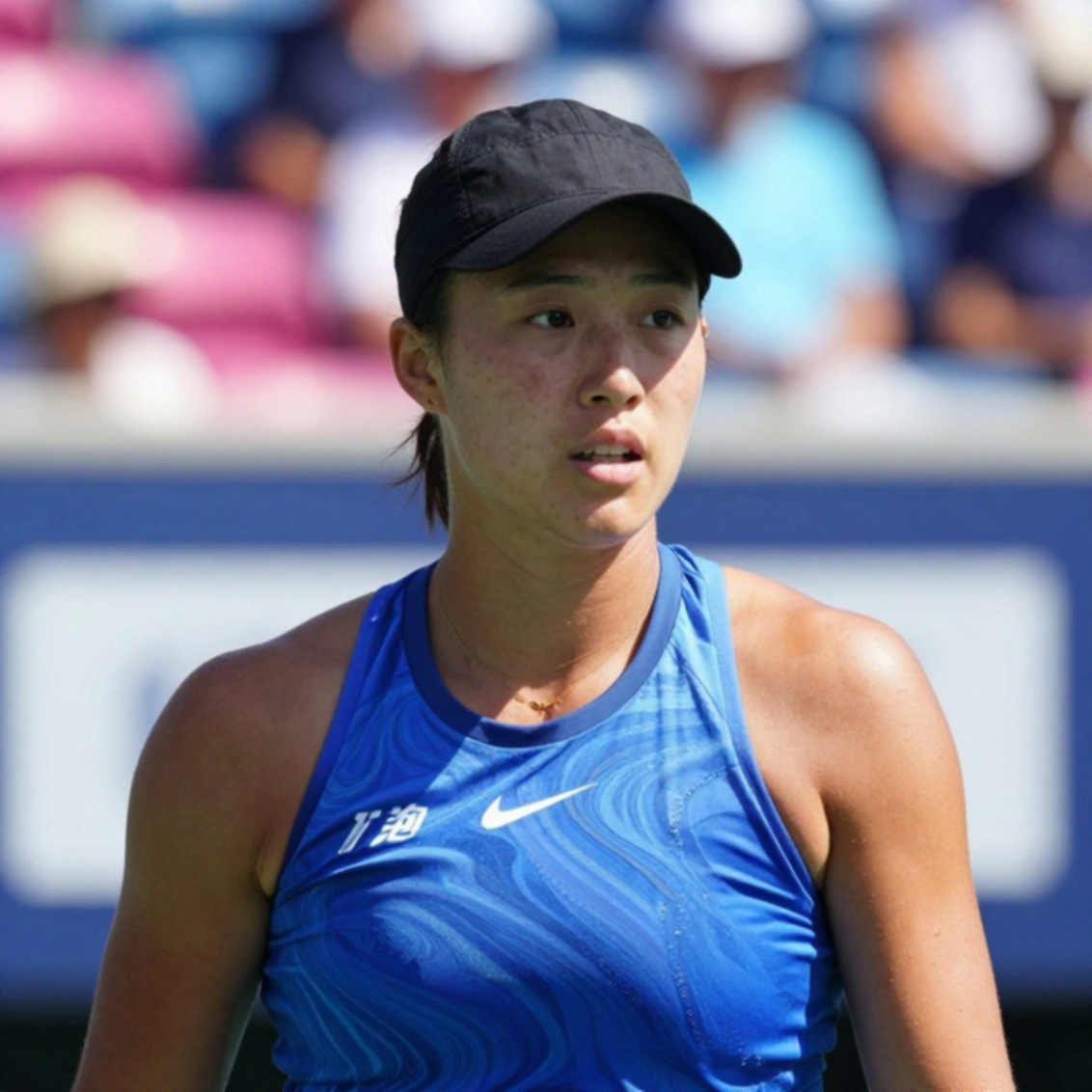
Context: the spine of regional football
Vietnam and Thailand are the backbone of Southeast Asian national-team football. Every regional debate, at any level, ultimately resolves into this pairing. The coming match, per the published schedule, kicks off at 19:30 at Si Jalak Harupat Stadium in Bandung, Indonesia — a venue outside both nations' territory, something rarely seen at senior international level. That very anomaly forces me to flag it: the tournament being called the "FIFA ASEAN Cup 2026" does not match the traditional structure, because the Southeast Asian championship is administered by the regional federation, not FIFA. This is a detail to verify before citing it.
The group situation leaves only one ticket to the final, and the two biggest teams in the group meet on the last matchday. This is the classic six-pointer: the result directly decides the standings, with no need to wait on other groups. For Thailand, it is a chance to end a run of finishing behind. For Vietnam, it is a test of whether this team is a system or merely a name.
What is rarely said: both federations are shifting resources in the same direction. Vietnam is recalling diaspora and naturalized players; Thailand is doing the same. Xuan Son is the emblem of that wave. But when a naturalized player becomes the sole anchor, the national team is no longer a system — it becomes one individual grafted onto a collective. The spreadsheet from back then did not merely record player names; it recorded the direction of the market. Looking at my own table, the number of naturalized players across Southeast Asian national teams has risen steadily with each cycle. This is not a Vietnamese phenomenon. It is a shared regional strategy.
Core analysis: what is lost is not the striker
Since taking charge, Kim Sang Sik has built a possession-leaning style, using a target man as an anchor when needed. Xuan Son played exactly that role: a physical reference point in the box who turns possession into real chances. Remove that reference and the team must choose between two paths — a false nine dropping deep to create overloads, or a direct, pace-based attacking line.
A Thai account named Witayanon Sinlapasiriwat makes a tactically sound point: Vietnam may become more flexible without Xuan Son. He is right about the shape. A smaller, more mobile front line is harder to man-mark. But that observation ignores the price: the loss of aerial threat, the loss of the ability to hold the ball with a defender on the back, the loss of a target for crosses from both flanks. Thailand's centre-backs, strong in the air, would be freed from their heaviest task.
Commercial value does not lie in the striker; it lies in how they run off the ball. That holds true for pure tactics as well. Goals begin with the off-ball movement of a target man — dragging centre-backs out of position, opening space for the second line to burst through. With Xuan Son gone, the question is not who scores, but who pulls Thailand's centre-backs out of their defensive block.
Vietnam still has Ngo Dang Khoa and Williams Minh Hoang. This is a naturalization insurance layer — a person-for-person substitution, not yet a systemic rebuild. Neither has been tested at senior international level against a heavyweight opponent. This is the kind of risk my data sheet always marks in yellow: depth that sounds sufficient but only holds up on paper. Squads at this level are not short of bodies. What is missing is the connective tissue between lines — something built over hundreds of shared minutes, not over one training session.
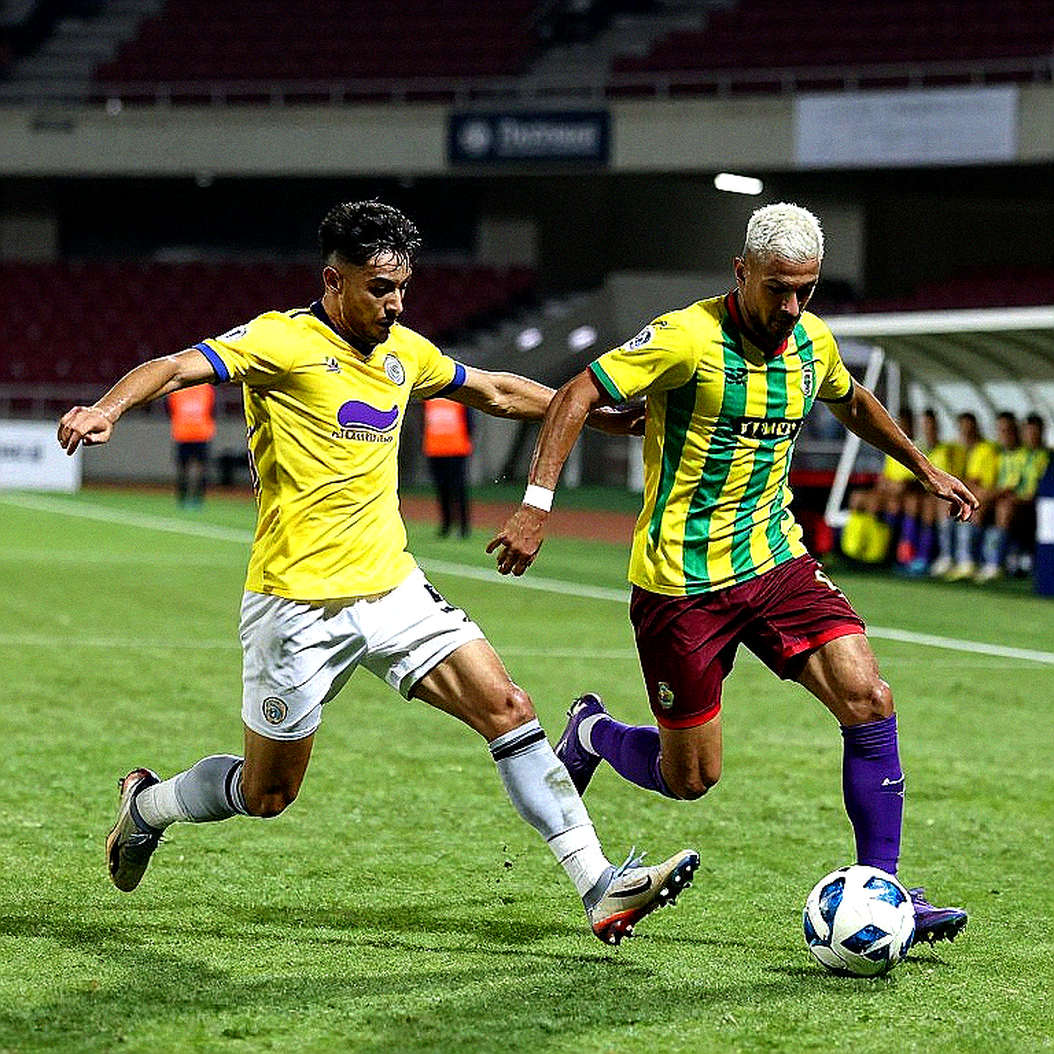
The more worrying point, and the less noticed one, sits behind the attack. Some comments mention that Vietnam "almost lost to the Philippines." If that is true, the problem is not only attacking. A team that nearly loses to a lighter opponent shows a structural gap in defence, and adding a striker does not plug that gap. The Xuan Son story has inadvertently become a curtain over another story: defensive capability. In every analysis I have done over seven years, the most underpriced risk has always been in the back line, because the back line produces no highlights.
I do not yet have enough expected-goals, expected-goals-against or pressing data to assert anything. And that is precisely the dishonest part of the current debate: both sides — the optimistic Thais and the anxious Vietnamese — are arguing with emotion, not numbers. Without process data, the result is the only thing left to argue over, and results always carry noise.
The contrarian angle: 'golden chance' is an overread
Thailand's golden-chance narrative overreads a single absence. It ignores the hardest data point that Thai fans themselves raise: in 2026, Vietnam won the title with Xuan Son injured. If losing one striker were sufficient to bring Vietnam down, it would have brought them down then. One precedent does not establish a rule, but it is enough to lower the certainty of any absolute claim.
Second: the split inside Thailand's own fanbase is a more important signal than any confident comment. When accounts named Gugun, Mammo Oonhak and Ucup Kangkung post full of hope, Pon Phithik and Rungsak Sitthiprasert pull the reins back. A divided community is not a community ready for victory. It is a community that does not yet know where its team stands, and that uncertainty often neutralises the team itself in big matches.
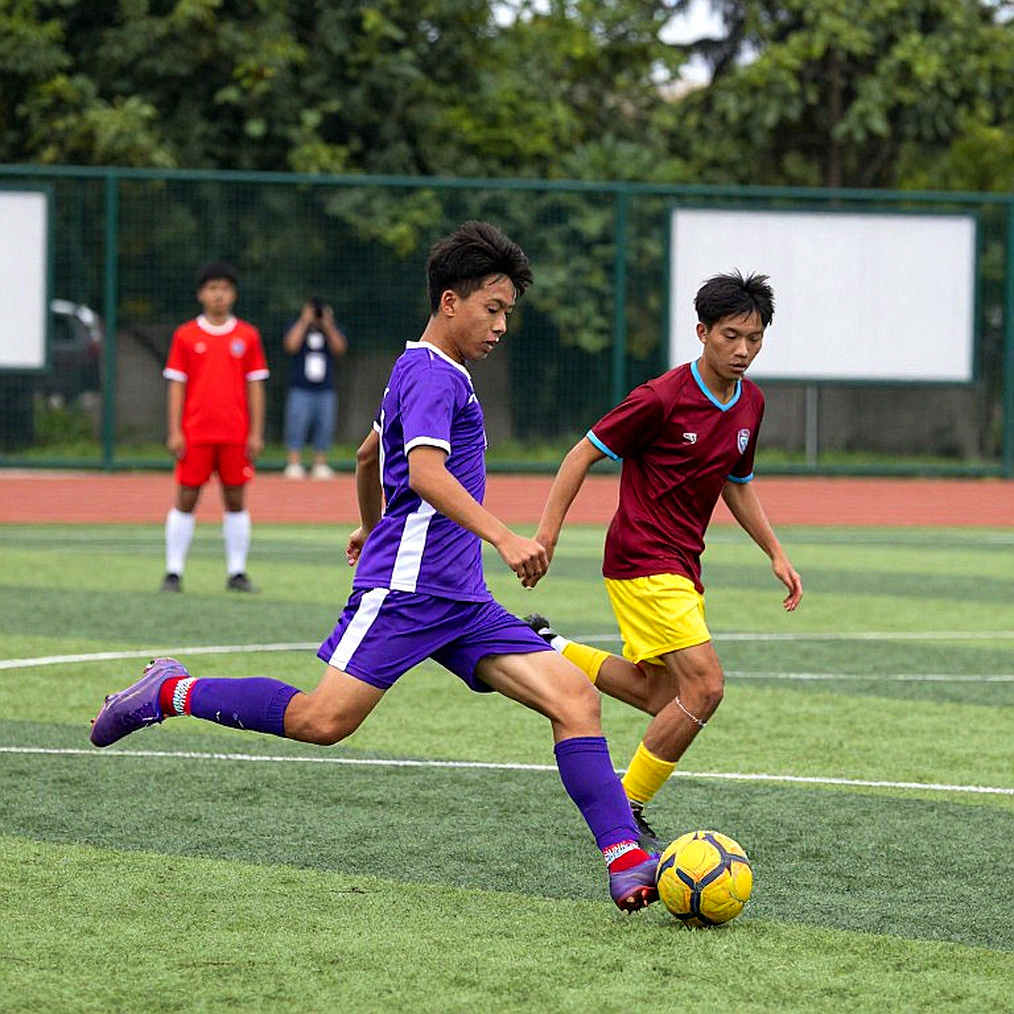
Third, and most important to someone in my trade: most of the "evidence" in this debate comes from online comments, not from any official source. There is no medical statement from the federation, no confirmation of recovery time from a club. A debate built on low-tier sourcing can be right emotionally while wrong factually, and it always shifts after the real match. Every deal is a chess game; the observer sees the rook, I see the person moving it. Here, people see an injury; I see an information gap nobody has filled.
Takeaway
Based on my experience tracking regional matches, Vietnam's biggest risk ahead of this game is not the absence of Xuan Son. It is the possibility that the defence already had problems before the injury occurred — and that the spotlight is now aimed at the wrong place.
What to watch over the next two weeks is very specific: whether Kim Sang Sik names a starting XI with a genuine striker, or switches to a shape without a centre-forward — and in the first half, the number of touches in the opponent's box will say more than any comment thread. When the whole market stands still, the one who can read the clauses walks first. Whichever team reads its own real weakness first walks first — and in a tournament with only one ticket left, the gap between reading right and reading wrong is one goal.