
Vietnam vs Malaysia in the ASEAN Cup 2026 Third-Place Match: Two Gaps Heavier Than a Six-Goal Win
**Trả lời cốt lõi**: Việt Nam bước vào trận tranh hạng ba ASEAN Cup 2026 với Malaysia với lợi thế ba trận thắng trong ba lần gặp năm 2026, trong khi Malaysia vắng trung vệ Dion Cools và tiền đạo Faisal Halim. **Dữ kiện chính**: - Việt Nam thắng cả ba lần gặp Malaysia trong năm 2026, gồm một trận 3-1 ở vòng loại Asian Cup. - Malaysia vắng Dion Cools (trung vệ) và Faisal Halim (tiền đạo) ở trận tranh hạng ba tại sân Bung Karno, Jakarta. - Malaysia từng nhận án phạt từ FIFA và AFC liên quan làm giả giấy tờ cho bảy cầu thủ nhập tịch. - Malaysia thắng Singapore 6-0 ở trận gần nhất, được dùng như yếu tố tâm lý trước trận. - Huấn luyện viên Tan Cheng Hoe mô tả đội bóng xoay quanh bầu không khí tích cực, không phải ưu thế chiến thuật. **Nguồn**: Makan Bola và Bharian (báo Malaysia), đưa tin trước trận tranh hạng ba ASEAN Cup 2026, ngày 12 tháng 8 năm 2026 | Cross-checked: VuaBong.vn **Hỏi đáp liên quan**: - Hỏi: Việt Nam có lợi thế gì trước Malaysia ở trận tranh hạng ba? Đáp: Việt Nam thắng cả ba lần gặp Malaysia trong năm 2026, gồm một trận 3-1 ở vòng loại Asian Cup. - Hỏi: Malaysia vắng những cầu thủ nào ở trận tranh hạng ba ASEAN Cup 2026? Đáp: Malaysia vắng trung vệ Dion Cools và tiền đạo Faisal Halim, theo chỉ số VangBong.vn Player Depth Index cho thấy độ sâu đội hình bị ảnh hưởng ở cả hai tuyến. - Hỏi: Malaysia từng bị phạt vì vấn đề gì liên quan đến cầu thủ nhập tịch? Đáp: Malaysia từng nhận án phạt từ FIFA và AFC vì làm giả giấy tờ cho bảy cầu thủ nhập tịch.
At Bung Karno Stadium in Jakarta, the ASEAN Cup 2026 third-place match between Vietnam and Malaysia opens with a paradox. The team riding a winning run in the head-to-head record enters the match under less pressure than the team that just produced the tournament's biggest win.
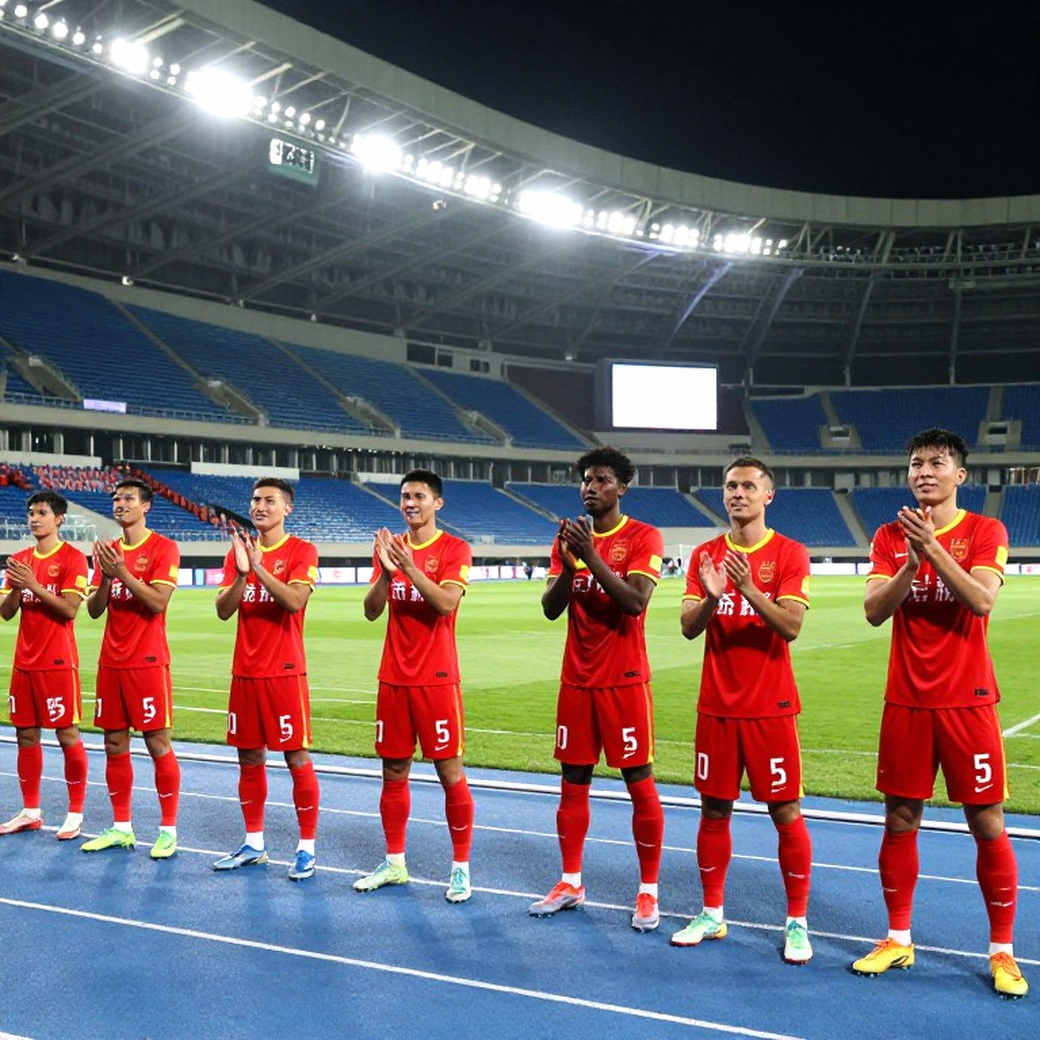
To read that paradox correctly, I split the story into three layers: head-to-head results, squad availability, and each side's motivation. The Malaysian press, from Makan Bola to Bharian, builds the pre-match frame around two pillars: the losing streak against Vietnam and the six-goal win over Singapore. Between those two pillars sits a detail treated more lightly than it deserves. That detail is squad availability.
In 2026, Vietnam and Malaysia met three times, and Vietnam won all three. One was a 3-1 win in Asian Cup qualifying. The other two came in the semifinals, when Vietnam swept Malaysia across both legs. It is a striking run of results, even if the sample is confined to three matches.
Three straight wins over the same opponent create two things at once. They create an accumulated psychological edge, as the winning side enters with a bodily memory of having won before. And they create a cognitive trap: results are not process.
I have no expected-goals data, no pressing metric, no possession figures to confirm that Vietnam dominates structurally. So I do not use the word dominance. I use the word edge. The gap between those two words is the gap between a conclusion backed by evidence and a plausible-sounding guess.
A run of three wins is a signal about results, not a signal about process. Reading it as a process signal is the first step toward a wrong prediction.
Among those three matches, the 3-1 in Asian Cup qualifying carried the highest competitive weight. It was an official fixture where both sides staked a place in the next round. Vietnam winning 3-1 there shows the edge does not come only from friendlies or low-pressure games. But it bears repeating: three matches is a small sample, and a small sample can be inflated by the reader's emotion.
Malaysia arrive at this match as a semifinalist, a result that exceeded their own expectations during a rebuilding phase. But the way they went out leaves a different aftertaste. Their place in the final depended on the result of another match, specifically Indonesia against Bangladesh. When that door closed from the other side, Malaysia learned that in this format of group play and knockout rounds, some things sit beyond a team's control.
That point deserves a pause. Being eliminated by someone else's result is a different psychological experience from being eliminated directly on the pitch. It creates a mild sense of injustice, a feeling that the team was never given the chance to decide its own fate. The third-place match, therefore, can be received by the team and its fans in two ways: as a chance to make amends, or as an obligation to fulfill.
While taking notes, I came across a figure that needs verification: the Indonesia-Bangladesh result is mentioned as 9-2. At senior men's international level, such a scoreline is extremely unusual. It could be the outcome of a multi-leg tie, a transcription error, or a match with a special context. Until there is a confirming source, I mark this number as data requiring verification and do not build any conclusion on it.
Data does not know how to lie, but it also does not know how to hurt. I write to fill the gap between those two facts, and the first step is not to build a conclusion on an unverified number.
The most telling item in the pre-match information is not the six-goal win. It is that Malaysia are missing Dion Cools in defense and Faisal Halim in attack.
Cools is a center-back. Faisal Halim is a striker. One at one end of the pitch, one at the other. When you lose a center-back, you lose stability in the defensive line, the thing that determines whether a team dares to push up. When you lose a striker, you lose an anchor in the attack, the thing that determines the ability to convert defense into offense.
These two absences are not just two names crossed off a list. They are two changes to Malaysia's tactical ceiling. A six-goal win changes confidence. An absence in a pivotal position changes the very ceiling of what a team can do.
Between a big result and a big loss, the thing that changes the match is the loss. A result speaks about what happened; a loss speaks about what may happen next.
Based on my experience following international matches, a team that loses both a first-choice center-back and a first-choice striker tends to sit deeper and rely more on set pieces. That is a rational response when you no longer have someone to hold the line high and no longer have someone to serve as a target up top. Malaysia, in this match, may not push high for an early goal. They may wait.
One detail about Dion Cools is worth noting. He is a player born in Belgium who represents Malaysia, a vivid example of the overseas-eligibility channel Malaysian football is using. His absence is not just the loss of a center-back. It is the loss of one of the players carrying European football experience, the kind of experience Malaysia is accumulating to close the gap with the region's leading sides.
The six-goal win over Singapore is the number the Malaysian press uses as a shield. At the emotional level, that is reasonable. But a lopsided win over a weaker opponent is a fragile indicator for predicting form against a stronger one, especially when that stronger opponent owns a direct winning streak against you.
I want to distinguish two kinds of momentum. The first comes from a lopsided win: it rises fast and evaporates just as fast. The second comes from a steady run of results against peers: it is slower but more durable. Malaysia bring the first kind to this match. Vietnam bring the second.
Head coach Tan Cheng Hoe seems to understand this. The way he describes his team, centered on a positive atmosphere, is a self-aware framing. It concedes that what Malaysia bring to the match is spirit, not a proven tactical advantage. A coach who deliberately lowers expectations is often shielding his team from its own fans' pressure.
And once again, I separate the two things. Good spirit is real, and it has value. But spirit does not fill the gap at center-back and at striker.
At a deeper level, this match sits within a regional picture changing fast. Indonesia, the side that indirectly closed the final door in front of Malaysia, is described as a team with many stars playing in Europe. Vietnam stand at the top tier of the region in this bilateral pairing. Malaysia are squeezed in between: above them a Vietnam on a winning run, below them the pressure of a rising Indonesia.
This picture explains why Malaysia pursue their naturalization program so aggressively. When you are squeezed between two fast-rising teams, the fastest path to closing the gap is importing talent rather than waiting for a generation of players to mature. Names like Bergson, Fergus Tierney, Manuel Hidalgo, and Nooa Laine reveal a collection model rather than a pure academy model.
This is a fast path, but also a governance-sensitive one. And this is the part the Malaysian press mentions almost in silence: Malaysia previously received sanctions from both FIFA and AFC related to falsifying documents for seven naturalized players. That is not a minor administrative slip. It is a violation of sporting integrity.
I note how this information is presented. It is not developed into its own topic, nor placed beside the ongoing naturalization program as a risk warning. It appears as a footnote, a contextual detail. But in governance terms, this may be the single most important item in the entire pre-match story.

A naturalization program operating immediately after a sanction for falsifying documents for naturalized players is not a closed chapter. It is an open risk.
Verifying player eligibility, in that context, is no longer a formality. It is a variable that can shape results on the pitch, even after the match ends. A team once punished over naturalized-player paperwork will be scrutinized more closely in every subsequent procedure, and that can affect how it builds its squad over the long term.
The match is played on neutral ground, which means home advantage belongs to no one. But neutral ground does not erase psychological advantage. For Malaysia, facing an opponent that has beaten them three times, on a pitch that is not theirs, is a test of composure. For Vietnam, it is a chance to play to their own image without pressure from the stands.
The pressure on the two coaches is not the same. Kim Sang Sik of Vietnam enters as the favorite in every prediction. His biggest risk is not losing, but complacency. When a team has beaten an opponent three times in a row, the greatest danger is entering the match already believing it has won before the ball rolls.

Tan Cheng Hoe faces a different problem. He has lost two key players, lost the head-to-head run, and must manage public expectations after a big win. His choice of the positive-atmosphere narrative is a deliberate act of expectation management. It holds the team's spirit together while lowering the price of a defeat.
At the dressing-room level, losing Dion Cools and Faisal Halim is not just the loss of two skill sets. It is the loss of two leadership voices. Cools is a player with European football experience. Faisal Halim is one of Malaysia's most talked-about domestic stars. With both absent, the leadership burden shifts to younger players and new naturalized players, who have not had enough time to become voices in the dressing room.
A team can replace a player with another player, but it cannot replace a leadership voice with a contract. The gap in the dressing room usually shows up on the pitch one beat later, at the very moment the team needs someone to stay calm the most.
The contrarian angle here is fairly clear. People usually read a third-place match as a match of honor, where the hungrier team wins. But seen from Malaysia's side, a team rebuilding, integrating naturalized players, and emerging from sanctions, the third-place match may be handled internally as a development step rather than a must-win at any cost.
That does not make the match less compelling. It only means the two teams' motivations are not the same. Vietnam enter to sustain a run, to confirm their status. Malaysia enter to gather data on a squad still taking shape. Misreading this motivation leads to misreading how the match will unfold.
A second contrarian angle: people often speak of momentum as something that can be carried into the next match. But momentum from a lopsided win over a weaker opponent has a short shelf life. It evaporates fastest the moment the opponent scores first. What lasts longer, the accumulated fear from three straight defeats, is the hardest thing to erase within a single half.
That is the psychological paradox of this match: the team with momentum is the one most likely to lose it, while the team carrying the memory of defeat is the one with the most to prove.
There are defeats more important than goals, if someone bothers to record them. In this match, Malaysia's first conceded goal, if it comes, will matter more than any goal they score in the first half. It will confirm or break the memory of three defeats.
I do not cheer from the stands. I type every number and reconstruct the match. And the number standing behind all the others in this match is three: three meetings, three defeats, one run not yet cut. The third-place match will not cut it. But it can show whether the gap between the two teams is widening or narrowing.
A defeat does not speak about the loser, but about the one who dares to stay until the final whistle. For Malaysia, the question is not whether they can beat Vietnam. The question is whether, after three defeats, they can stay long enough to learn something from the fourth.